From Grove to Gold: The Journey of High-Quality Olive Oil
Olive oil, often called "liquid gold," has graced tables and nourished bodies for millennia. A cornerstone of the revered Mediterranean diet, its rich flavor and numerous health benefits are deeply rooted in a fascinating production process. But have you ever truly wondered how is olive oil made, transforming humble olives into this celebrated culinary staple? The journey from a vibrant green fruit on the branch to the exquisite oil in your bottle is an intricate dance of tradition and modern innovation, particularly when crafting high-quality varieties like extra virgin olive oil.
While ancient methods relied on simple presses, today's olive oil production has been meticulously refined to ensure purity, preserve delicate flavors, and maximize nutritional value. The basic principles remain, but advanced machinery and strict quality controls elevate the end product. Here, we'll delve into the step-by-step process of creating premium olive oil, exploring the crucial stages that define its excellence.
The Foundation: Picking and Preparing the Olives
The quest for high-quality olive oil begins long before the olives reach the mill—it starts right in the grove, with careful harvesting and meticulous preparation. The timing and method of picking are paramount, significantly influencing the oil's character and chemical composition.
Harvesting the Green Gold
For extra virgin olive oil, olives are typically harvested during their "green" or "veraison" phase. Green, unripe olives yield a more robust, peppery, and often slightly bitter oil, rich in polyphenols—the natural antioxidants responsible for many of olive oil's health benefits. As olives transition through veraison (from green to purple) and eventually ripen to a dark hue, the oil they produce becomes milder, fruitier, and less pungent, though with a lower polyphenol count. Choosing the optimal ripeness is a deliberate decision made by growers to achieve a specific flavor profile.
Harvesting methods vary, balancing efficiency with the need to protect the delicate fruit. Large-scale operations often employ mechanical shakers or "over-the-row" harvesters, which gently dislodge olives onto nets or conveyor belts. Smaller, artisan producers might still opt for hand-picking or using hand-held rakes that shake olives onto nets spread beneath the trees. The goal, regardless of method, is to minimize damage to the olives, as bruising can initiate oxidation and compromise quality.
Crucial Tip: Speed is of the Essence. Once picked, olives are perishable. Just like any fresh fruit, they begin to deteriorate rapidly. To produce the finest olive oil, olives must be transported swiftly to the production facility, ideally within hours of harvest. Any delay can lead to fermentation, off-flavors, and a significant drop in oil quality. This urgency underscores why Harvest to Bottle: Why Processing Speed Impacts Olive Oil Quality is a cornerstone of premium olive oil production.
Cleaning for Purity
Upon arrival at the mill, the olives undergo an essential cleaning process. First, they pass through a defoliator, a machine that efficiently removes leaves, twigs, and any larger debris from the batch. Next, the olives are thoroughly washed to eliminate dirt, dust, pesticides, and other contaminants accumulated during harvesting and transport. This step is critical for ensuring the purity and cleanliness of the final product, setting the stage for the extraction process.
The Heart of the Process: Extracting the Liquid Gold
With the olives clean and ready, the truly transformative phase begins: extracting the precious oil from the fruit. Modern facilities leverage advanced technology to perform this, while still adhering to the fundamental principles that define high-quality olive oil.
Grinding the Olives into Paste
The first step in extraction is grinding. Olives—pits and all—are crushed into a thick, uniform paste. Historically, this was done with massive granite millstones, a picturesque but often slow and less efficient method. Today, most high-quality mills utilize modern stainless-steel grinders equipped with hammers, knives, or discs. These machines process the olives rapidly and thoroughly, creating a fine paste with minimal exposure to oxygen. This reduced oxidation is key, as it helps preserve the delicate aromas, flavors, and beneficial compounds in the oil. Modern grinding methods also facilitate easier cleaning, preventing residue buildup that could affect subsequent batches.
Malaxation: Coalescing the Oil Droplets
After grinding, the olive paste moves into a malaxer—a large, temperature-controlled, stainless-steel trough fitted with a slow-turning mixer. The malaxation process involves gently and continuously stirring the olive paste. This slow agitation serves a vital purpose: it encourages the tiny, microscopic oil droplets within the olive cells to coalesce and merge into larger drops. This makes the oil easier to separate from the olive solids and water later on.
The "Cold Extraction" Principle: For high-quality extra virgin olive oil, malaxation is performed at controlled, low temperatures, typically below 27°C (80.6°F). This "cold extraction" method is paramount. Higher temperatures would increase oil yield but at the cost of compromising the oil's sensory characteristics and reducing its polyphenol content. Cold extraction preserves the oil's volatile aromatic compounds, its nutritional integrity, and its vibrant, fresh flavors. Maintaining optimal temperature during this stage is a testament to a mill's commitment to producing a superior product, reflecting insights detailed in articles like Unlock the Secrets: How Modern Methods Craft Premium Olive Oil.
Separating the Oil: The Final Extraction
Once malaxation is complete, the concentrated olive oil droplets are ready to be separated from the solid olive pomace (pulp and pits) and vegetation water.
Centrifugation: The Modern Marvel
Today, the vast majority of high-quality olive oil is extracted using centrifugal separators. The olive paste is fed into a horizontal centrifuge, which spins at extremely high speeds. Due to differences in density, the oil, water, and solids separate into distinct layers. The lighter oil is siphoned off, while the heavier water and solids are discarded as pomace. This method is highly efficient, hygienic, and allows for continuous processing, further reducing the oil's exposure to oxygen.
Some systems may use a two-phase centrifuge (separating oil from pomace, leaving water in the pomace) or a three-phase centrifuge (separating oil, water, and pomace individually). Regardless of the specific setup, centrifugation is the cornerstone of modern virgin olive oil extraction, ensuring purity and minimizing waste.
From Mill to Bottle: Filtration and Storage
After extraction, the nascent olive oil is still somewhat cloudy, containing tiny particles of olive pulp and residual water. These final steps are crucial for the oil's stability, appearance, and shelf life.
Filtration (or Not)
Some producers choose to filter their olive oil to remove any remaining sediment and achieve a crystal-clear appearance. Filtration can extend shelf life and appeal to consumers who prefer a brilliant oil. However, some connoisseurs and producers prefer unfiltered or "cloudy" olive oil, believing it retains more of the olive's natural flavor and beneficial micro-particles. Unfiltered oils might have a shorter shelf life and require careful decanting over time. The decision to filter often comes down to producer preference and target market, but it doesn't inherently denote higher or lower quality, merely a difference in presentation.
The Art of Storage
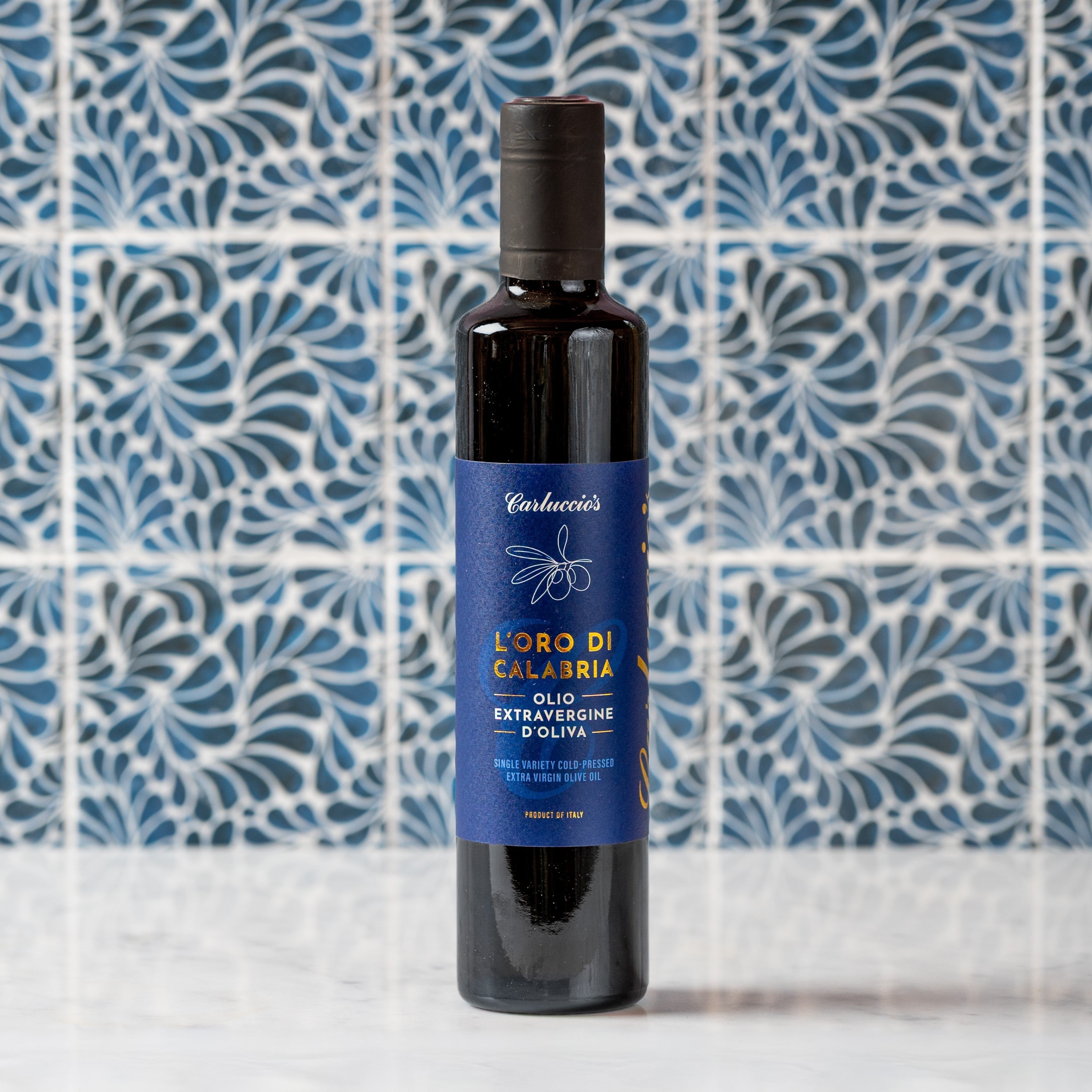
Once extracted and potentially filtered, high-quality olive oil is stored in stainless steel tanks under inert gas (like nitrogen) to prevent oxidation. These tanks are kept in cool, dark environments. From here, the oil is carefully bottled, typically in dark glass bottles or opaque tins. Dark packaging is essential because light is a major enemy of olive oil, accelerating its degradation and rancidity.
Practical Tip: At Home Storage. To preserve your olive oil's quality, always store it in a cool, dark place—away from direct sunlight and heat (e.g., away from the stove). Keep the bottle tightly sealed when not in use. While refrigeration can make olive oil cloudy or solid (a harmless, reversible process), it's generally not necessary unless you live in a very hot climate.
The Difference Makers: Quality Over Quantity
The journey described above is specifically for producing high-quality olive oils, primarily extra virgin and virgin olive oil. These are extracted solely by mechanical means, without the use of excessive heat or chemical solvents. This minimal processing preserves the natural goodness, flavor, and aroma of the olives.
Cheaper, lower-quality olive oils, often labeled simply "olive oil" or "light olive oil," undergo further refining processes. These processes typically involve chemical solvents, high heat, and deodorization to remove defects, resulting in a bland oil with little flavor or aroma, and significantly fewer beneficial compounds. While these refined oils serve a purpose in high-heat cooking where flavor isn't paramount, they lack the vibrancy and health benefits inherent in truly extra virgin olive oil.
Conclusion
The journey of olive oil, from the sun-drenched grove to the golden liquid in your bottle, is a testament to both nature's bounty and human ingenuity. Understanding how is olive oil made reveals a meticulous process where every step—from timely harvesting and swift transport to cold extraction and careful storage—plays a pivotal role in shaping its quality, flavor, and health benefits. Choosing high-quality olive oil isn't just a culinary preference; it's an appreciation for an ancient tradition modernized for purity and excellence, bringing a true taste of the Mediterranean to your table.
