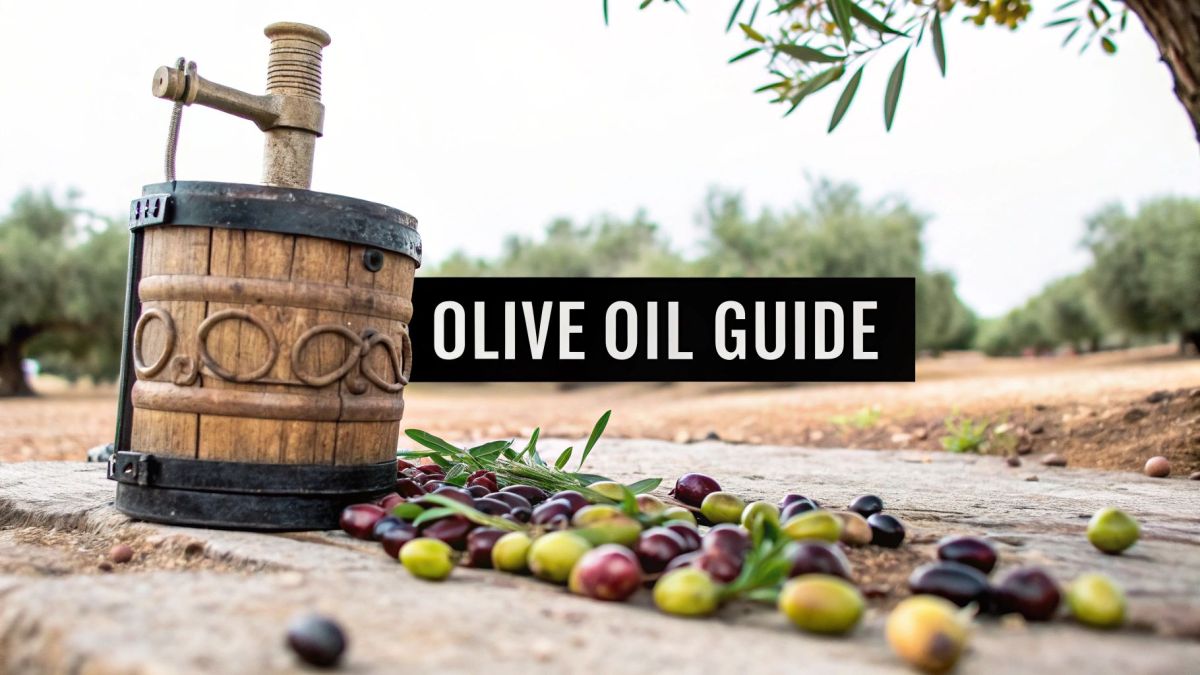
Unlock the Secrets: How Modern Methods Craft Premium Olive Oil
Olive oil, a cherished staple of the Mediterranean diet, has graced tables and nourished bodies for millennia. Far more than just a cooking fat, it's a symbol of health, flavor, and tradition. But have you ever stopped to wonder **how is olive oil made**? How does a humble olive transform into that shimmering, often greenish liquid gold we pour over salads or dip our bread into? While the essence of olive oil production remains ancient, modern methods have revolutionized the process, allowing for unparalleled quality, efficiency, and consistency, especially for premium extra virgin olive oil.
Today, crafting high-quality olive oil blends time-honored principles with cutting-edge technology. The basic objective – separating the oil from the fruit – endures, but the techniques for achieving this have evolved significantly. This comprehensive guide will take you through the intricate journey, revealing the secrets behind how modern methods meticulously create the premium olive oil you love.
The Journey Begins: From Grove to Mill
The foundation of any exceptional olive oil is, without a doubt, the olive itself. The initial steps of harvesting and cleaning are critical, setting the stage for the oil's eventual quality.
Harvesting with Precision
The moment of harvest is a delicate balance, profoundly influencing the final taste profile and chemical composition of the olive oil. For premium extra virgin olive oil, growers typically target olives in their *green* (immature) or *veraison* phase, when they are just beginning to transition from green to purple. This choice is deliberate: green olives yield robust, pungent oils rich in polyphenols – the powerful antioxidants responsible for many of olive oil's health benefits – and a distinctive peppery finish. Riper, darker olives, while still suitable, generally produce milder oils with lower polyphenol content.
Modern harvesting techniques prioritize both efficiency and fruit integrity. While some artisanal producers still employ traditional hand-picking, mechanical shakers and over-the-row harvesters are increasingly common. These machines gently dislodge olives onto nets, minimizing damage to both the fruit and the tree. Regardless of the method, the overriding principle is speed. Once picked, olives are perishable; delays in transport to the mill can lead to fermentation, mold, and a rapid decline in oil quality. This critical timeframe from harvest to processing is a key differentiator for premium oils. To delve deeper into this crucial aspect, explore
Harvest to Bottle: Why Processing Speed Impacts Olive Oil Quality.
Cleaning and Preparing the Olives
Upon arrival at the mill, the olives undergo a crucial cleaning process. First, they pass through a defoliator, a machine that efficiently removes leaves, twigs, and stems that might have been collected during harvesting. Following defoliation, the olives are thoroughly washed to eliminate any residual dirt, dust, pesticides, or other debris. This meticulous cleaning ensures that only the purest olive fruit proceeds to the extraction phase, preventing any unwanted flavors or contaminants from compromising the oil.
The Art of Extraction: Transforming Olives into Liquid Gold
With clean, perfectly ripe olives ready, the "fun part" begins: extracting the oil. This stage, though modernized, still respects the basic principle of mechanical separation without excessive heat or chemicals, especially for virgin olive oils.
Grinding: Crafting the Olive Paste
The first step in extraction is grinding, where the whole olives – pits and all – are crushed into a thick, uniform paste. Historically, this was done using massive stone millstones. While some traditionalists still employ them, modern mills overwhelmingly utilize stainless steel crushers. These machines employ hammers, knives, or disks to quickly and efficiently pulverize the olives. The advantages are manifold: stainless steel reduces the risk of oxidation (which degrades oil quality), it's easier to clean, and it maintains a more consistent and hygienic process. The resulting paste has a texture akin to thick oatmeal, often green or purplish depending on the ripeness of the olives.
Malaxation: Coalescing the Oil Droplets
Following grinding, the olive paste enters the malaxer. This is a crucial, often misunderstood, step. A malaxer is typically a large, temperature-controlled stainless steel trough equipped with slow-moving mixers. The paste is gently and slowly stirred for a period, usually between 20 to 60 minutes. The purpose of malaxation is not to extract oil, but to encourage the tiny oil micro-droplets released during grinding to coalesce into larger drops. This makes the subsequent separation process far more efficient.
Crucially, modern malaxers allow for precise temperature control. For premium extra virgin olive oil, the paste is kept below 27°C (80°F) throughout this stage. This strict adherence to temperature is known as "cold extraction" or "cold pressing" (though pressing is often no longer involved). Cold extraction is vital because higher temperatures can degrade the delicate aromas, flavors, and beneficial polyphenols in the oil. It sacrifices yield for quality, ensuring the oil retains its full spectrum of sensory and nutritional properties.
Separating the Essence: The Final Stages of Oil Production
With the olive paste malaxed and the oil droplets ready, the next challenge is to separate the oil from the solid pomace and vegetable water.
Centrifugation: The Modern Separation
In the past, olive oil was extracted by pressing the paste under heavy stone or hydraulic presses, hence the term "cold pressed." While some artisanal producers still use presses, modern olive oil production overwhelmingly relies on centrifugal decanters. The malaxed paste is fed into a horizontal centrifuge that spins at high speeds. Due to differences in density, the oil, water, and solids (pomace) separate. The heavier pomace and water are expelled, while the lighter olive oil is continuously extracted. This method is incredibly efficient, hygienic, and precise, allowing for continuous processing and superior quality control compared to traditional presses. It also eliminates the need for filter aids and mats used in pressing, which can absorb oil or impart off-flavors.
Filtration and Storage: Preserving the Liquid Gold
After centrifugation, the olive oil may still contain tiny particles of olive pulp and residual water. Some producers choose to bottle the oil "unfiltered," valuing its cloudier, more rustic appearance and often more intense flavor. However, most premium olive oils undergo a light filtration to remove these particles. Filtration, if done carefully and minimally, enhances the oil's stability and shelf life, preventing sedimentation that could lead to off-flavors over time. Modern filtration techniques use natural materials that preserve the oil's integrity.
Once filtered, the olive oil is stored in temperature-controlled, dark stainless steel tanks, often under an inert gas like nitrogen to prevent oxidation. Oxygen is olive oil's enemy, as it causes rancidity. This careful storage ensures that the oil retains its freshness, flavor, and beneficial compounds until it is bottled and shipped to consumers. The journey from the grove to the final bottle is a testament to meticulous care and advanced processing, as described in detail in
From Grove to Gold: The Journey of High-Quality Olive Oil.
The Mark of Quality: Understanding Virgin vs. Refined Oils
Not all olive oils are created equal, and **how is olive oil made** directly dictates its classification and quality.
* **Extra Virgin Olive Oil (EVOO)**: This is the highest grade. It is extracted solely by mechanical means without the use of excessive heat or chemical solvents. It must have a free acidity of no more than 0.8% and exhibit perfect flavor and aroma, free from any defects. This is the oil produced through the modern methods described above, emphasizing cold extraction and careful processing.
* **Virgin Olive Oil**: Also extracted mechanically, but with a slightly higher acidity (up to 2%) and may have minor sensory defects that preclude it from being "extra."
* **Lampante Olive Oil**: This is a virgin olive oil with significant defects and/or high acidity (above 2%). It is not fit for human consumption in its raw state and must be refined.
* **Refined Olive Oil**: Lampante oil undergoes a refining process using chemical and physical methods (like deodorization and bleaching) to remove defects, color, and strong flavors. This process also strips away most of the beneficial polyphenols and natural aromas.
* **Olive Oil (Pure Olive Oil)**: This is a blend of refined olive oil and a small percentage of extra virgin or virgin olive oil to give it some flavor and color. It's a common cooking oil but lacks the nuanced flavors and health benefits of EVOO.
* **Olive Pomace Oil**: This oil is extracted using solvents from the olive pomace (the solid residue left after the first mechanical extraction). It then undergoes refining. It's a very low-grade oil.
Understanding this hierarchy underscores why the modern methods applied to extra virgin olive oil production are so crucial. They are designed to preserve the olive's natural goodness, delivering an oil that is not only delicious but also packed with health-promoting compounds.
In conclusion, the answer to **how is olive oil made** in the modern era is a testament to careful cultivation, swift processing, and technological ingenuity. From the precise timing of the olive harvest to the gentle malaxation and advanced centrifugal separation, every step is optimized to extract and preserve the highest quality oil. This meticulous approach ensures that the premium olive oil gracing your table is not just a food product, but a healthful essence, carrying the true flavor and benefits of the olive grove.